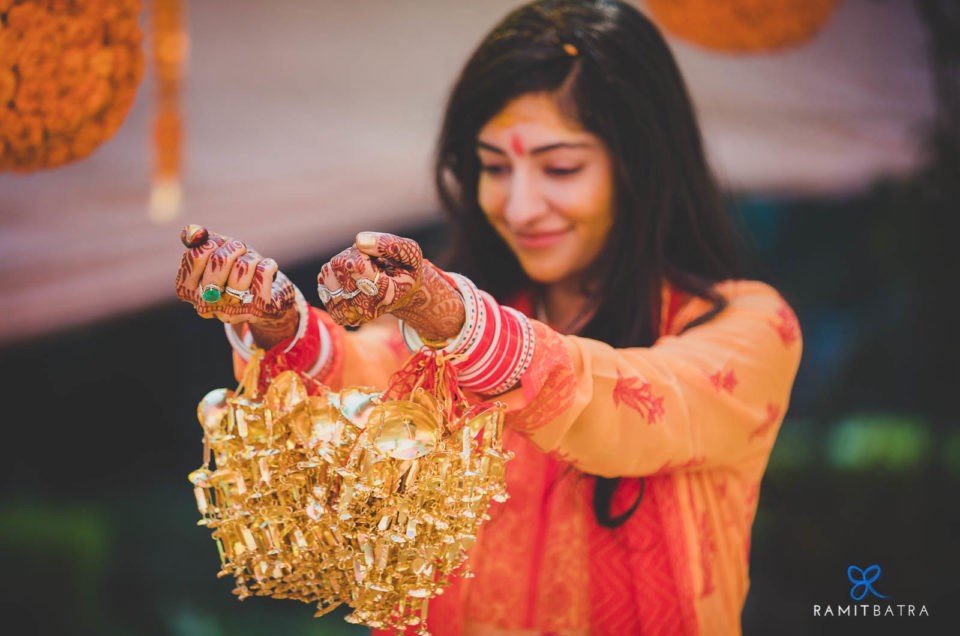
Kaleerey – at the Chooda ceremony
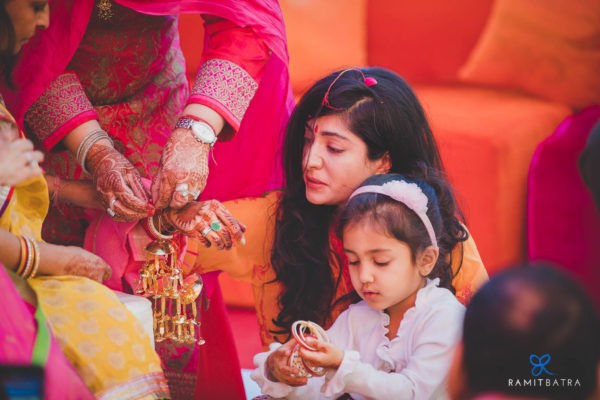
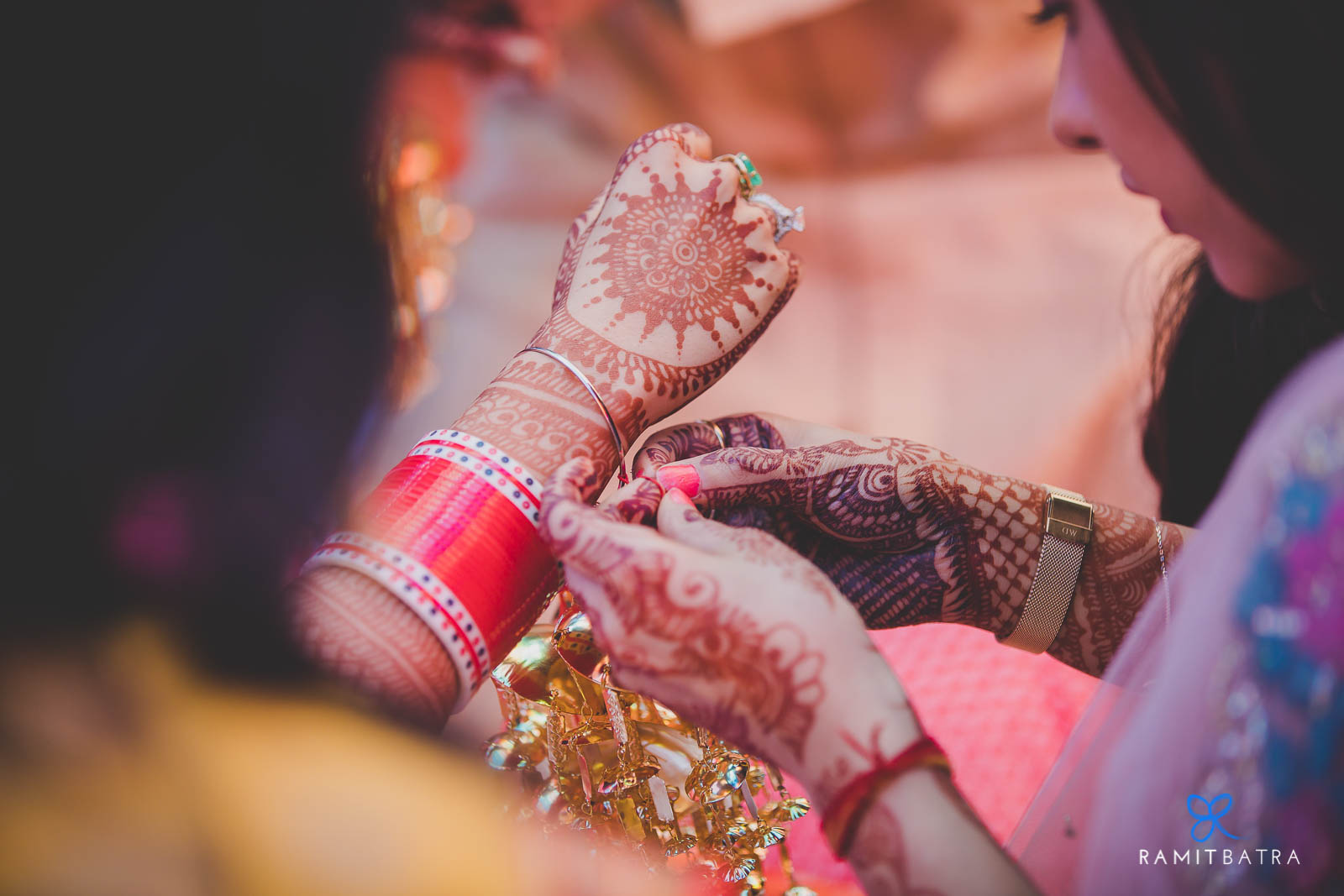
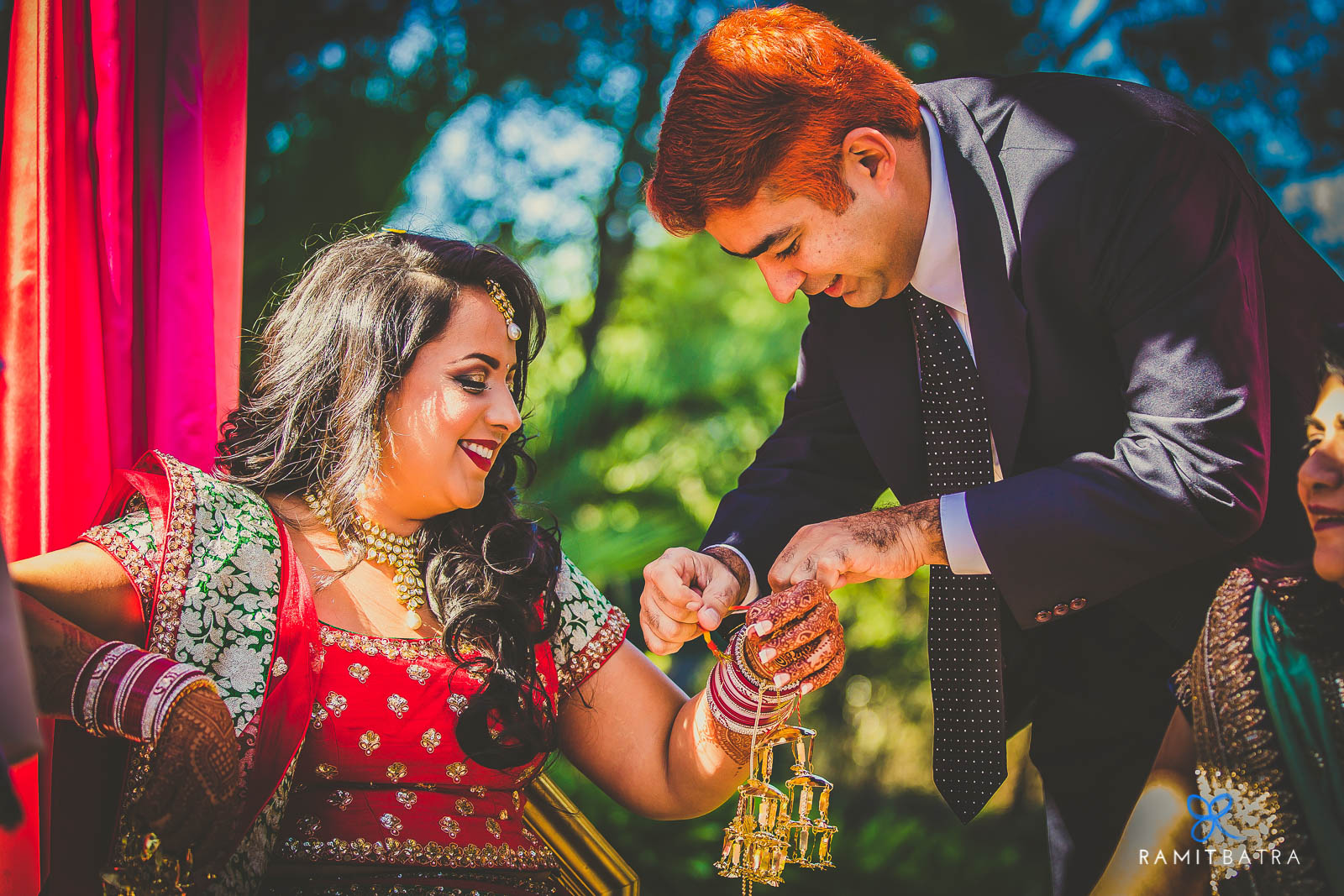
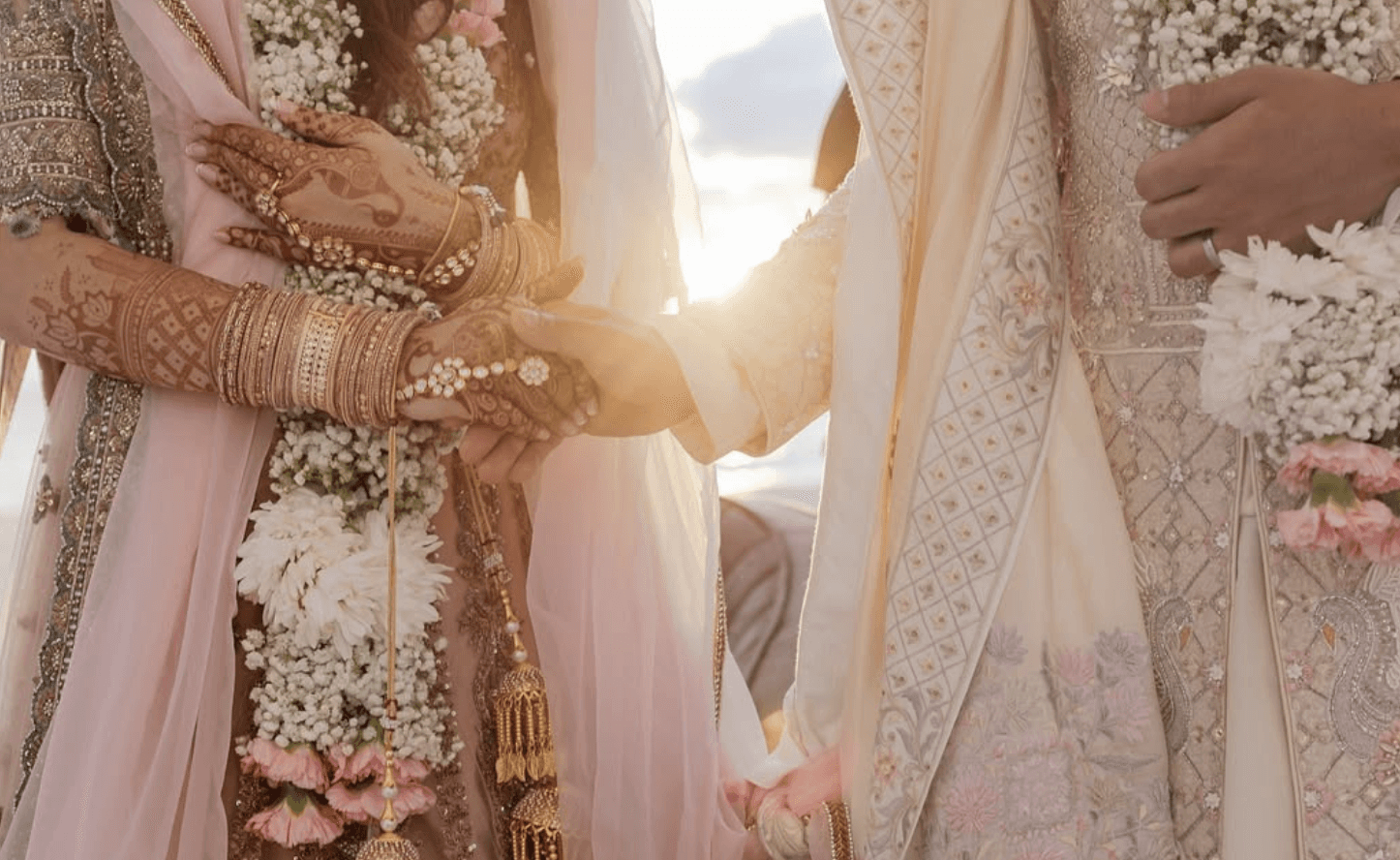
Weddings often focus on the bride and groom—their outfits, accessories, and preparations—but they’re also a celebration of two families coming together. Beyond the main events like the haldi, mehendi, sangeet, and feras, there are smaller, yet equally meaningful, rituals that bring out the fun and emotional essence of an Indian wedding. One such ceremony in Punjabi weddings is the Chooda and Kaleerey. The chooda, a set of 21 red and white bangles gifted by the bride’s maternal family, is worn for 40 days to 1.5 years to bring good luck. Traditionally, the bride keeps her eyes closed while the chooda is tied and it remains covered until the wedding. The kaleerey—umbrella-shaped metal hangings—are tied to the chooda by the bride’s sisters and friends as a gesture of love, luck, and remembrance.










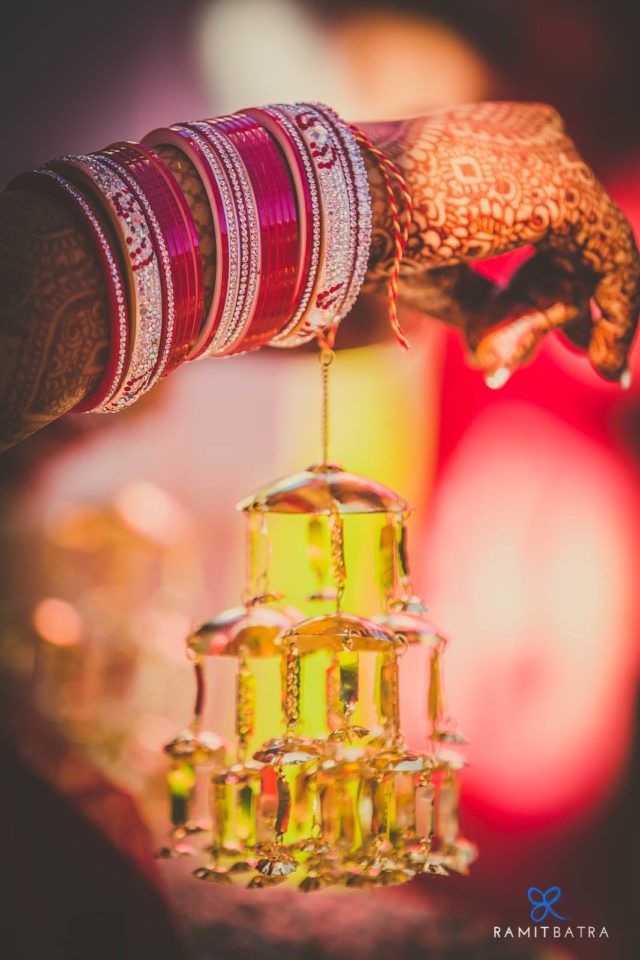
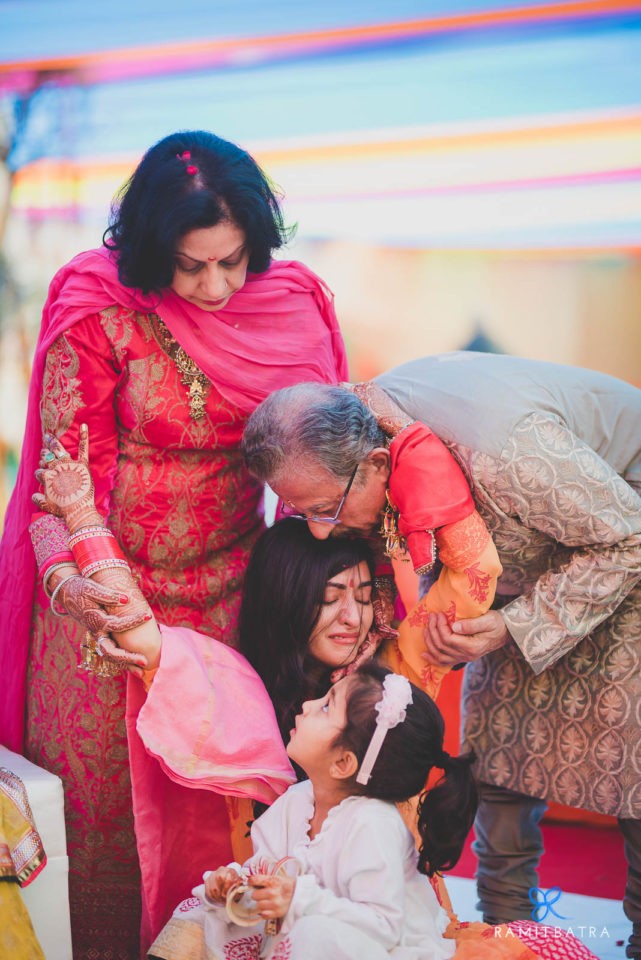
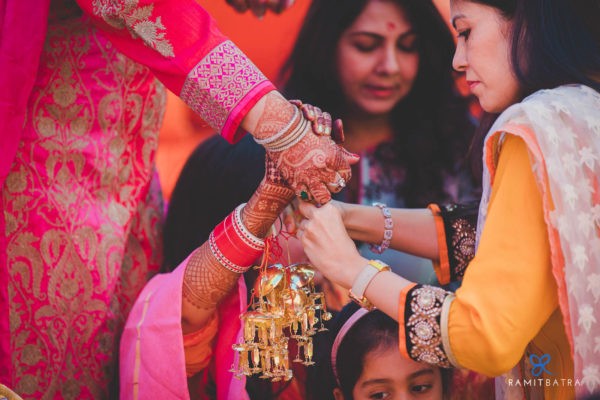
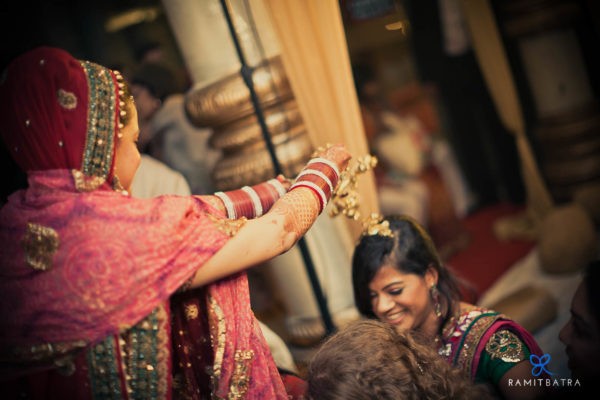
During the ceremony, the bride shakes her hands over the heads of unmarried girls, and it is believed that if a kaleerey falls on someone, she will be the next to marry—similar to the Western bouquet toss. This ritual often leads to emotional moments, as it symbolizes the bride leaving her old life behind and stepping into a new chapter. Many times, the unpredictability of who gets “hit” adds excitement and joy, making it a sentimental highlight of the wedding. It’s a ceremony that beautifully balances fun, tradition, and emotion, leaving both the bride and her loved ones teary-eyed yet full of cherished memories.