Varmala & It’s significance in Indian Weddings
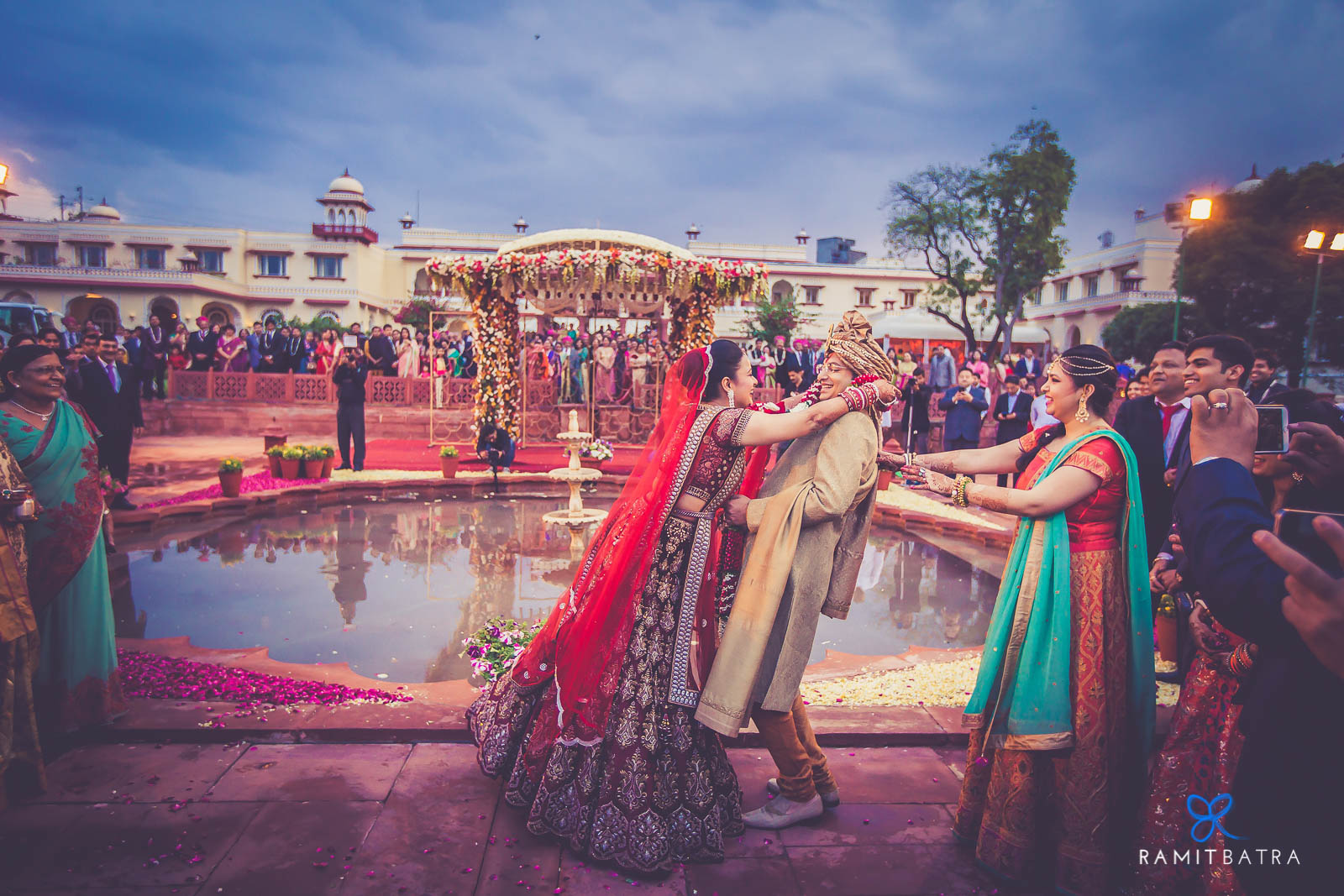
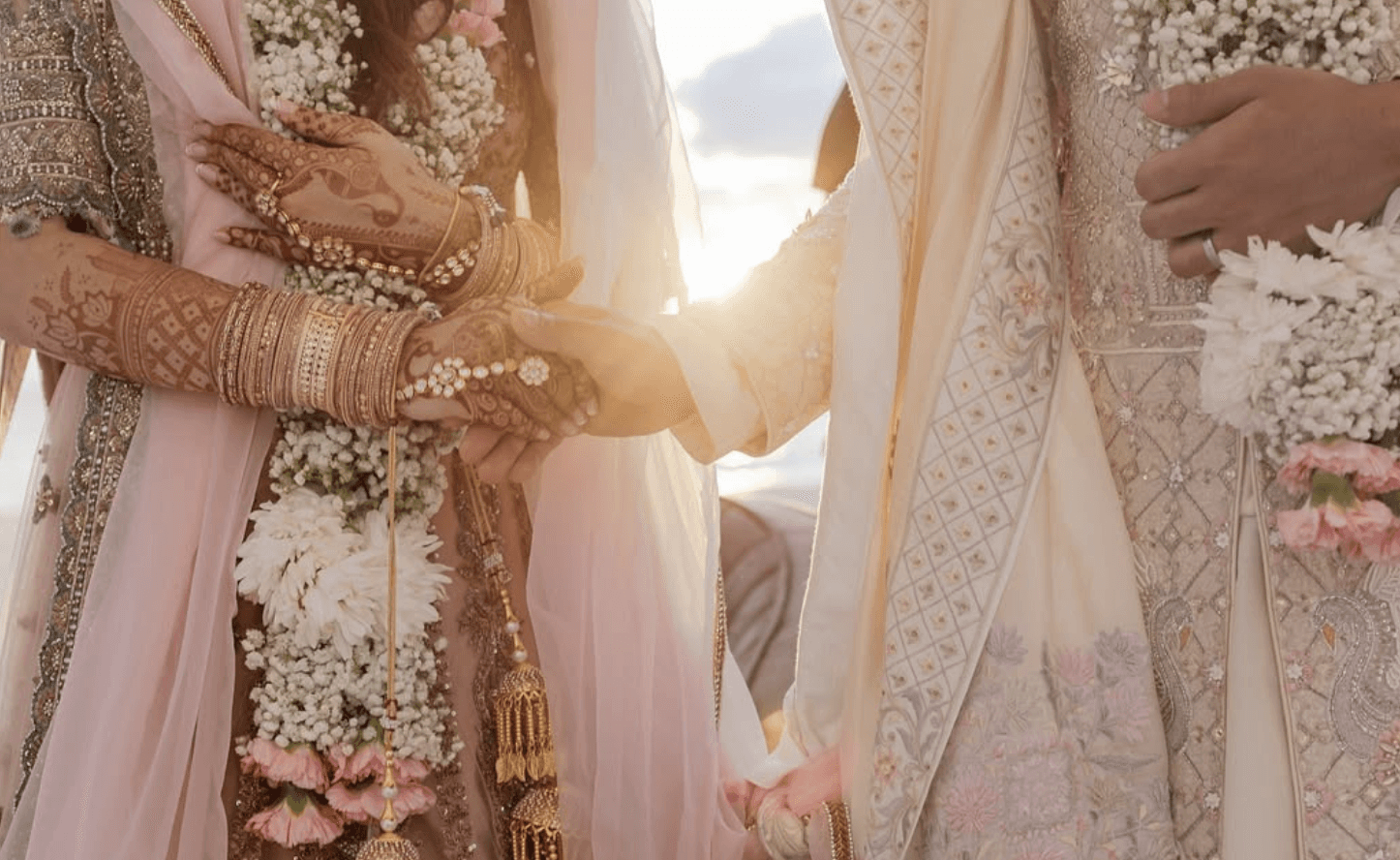
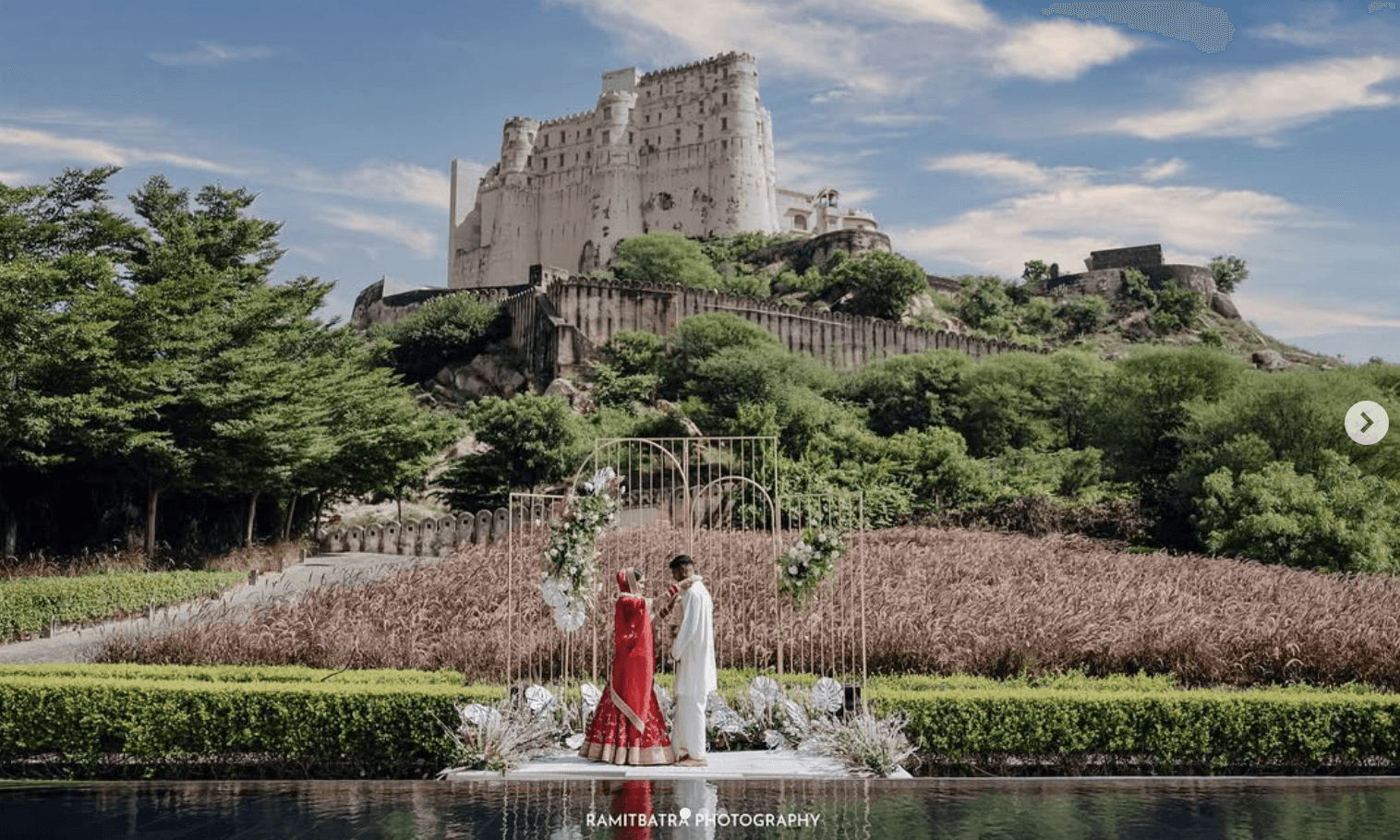
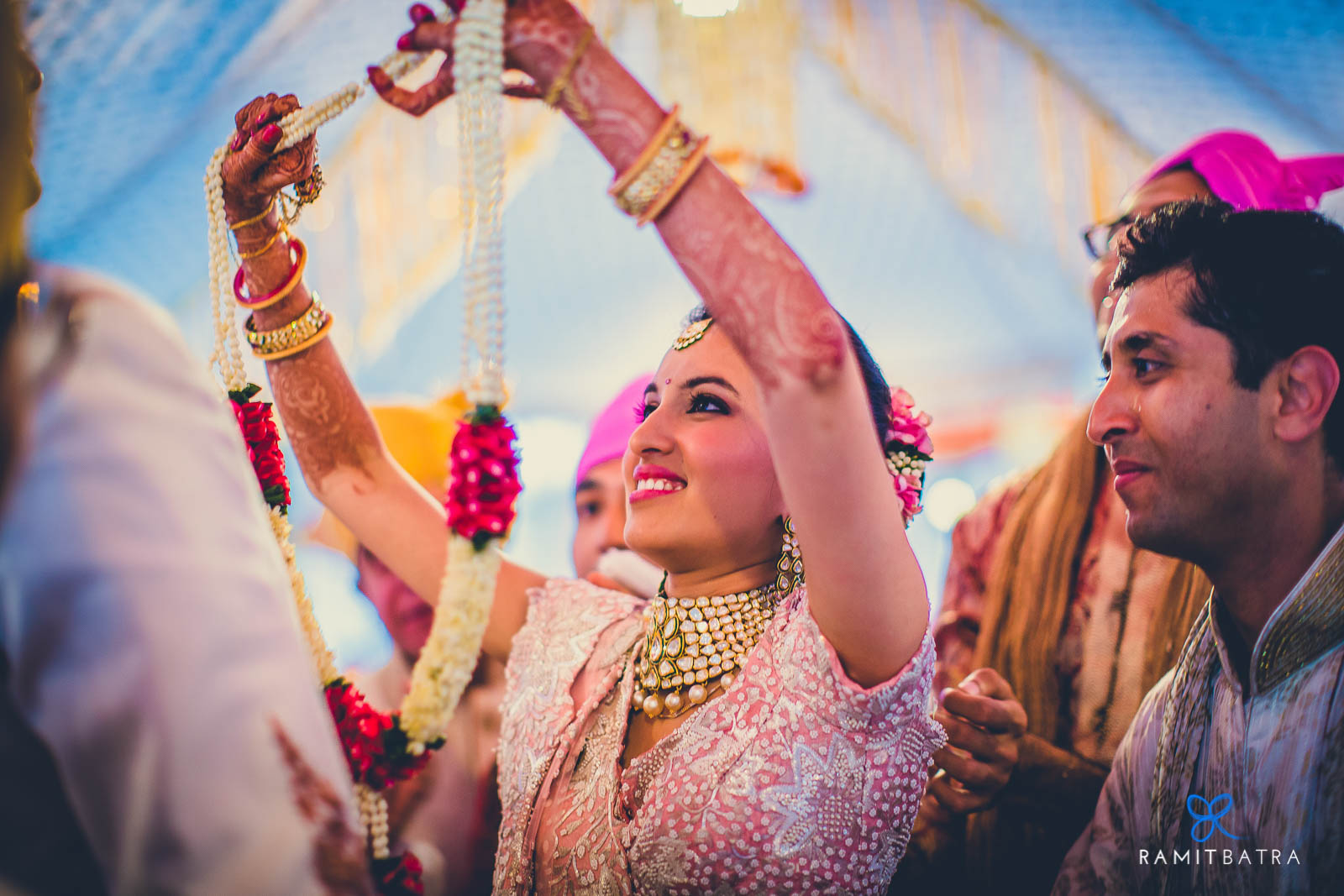
Although many wedding rituals have evolved from family traditions, some, like the Varmala, trace back to historical practices. Varmala—exchanging flower garlands—originated from the swayamvar, where princesses chose their husbands, such as Draupadi selecting Arjun in the epic Mahabharata. Today, couples exchange garlands to symbolize mutual acceptance as life partners, with some regions still calling it Jaimala. Traditionally, fresh flowers like roses, jasmine, and marigold are preferred, though artificial garlands are also common for their durability and ease. The ceremony begins with the symbolic worship of the groom, followed by the bride placing the garland on him first, marking the official start of the wedding rituals.










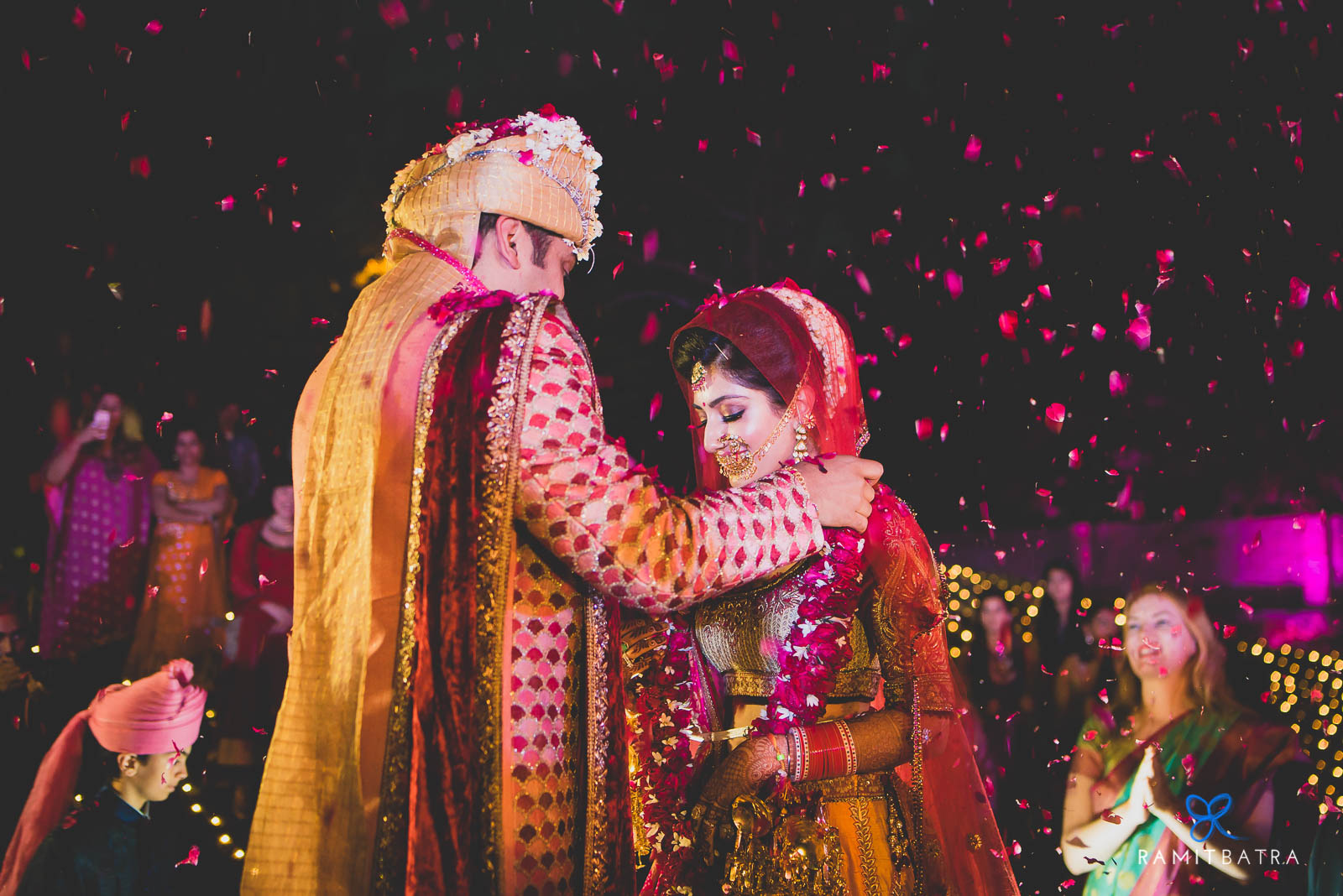
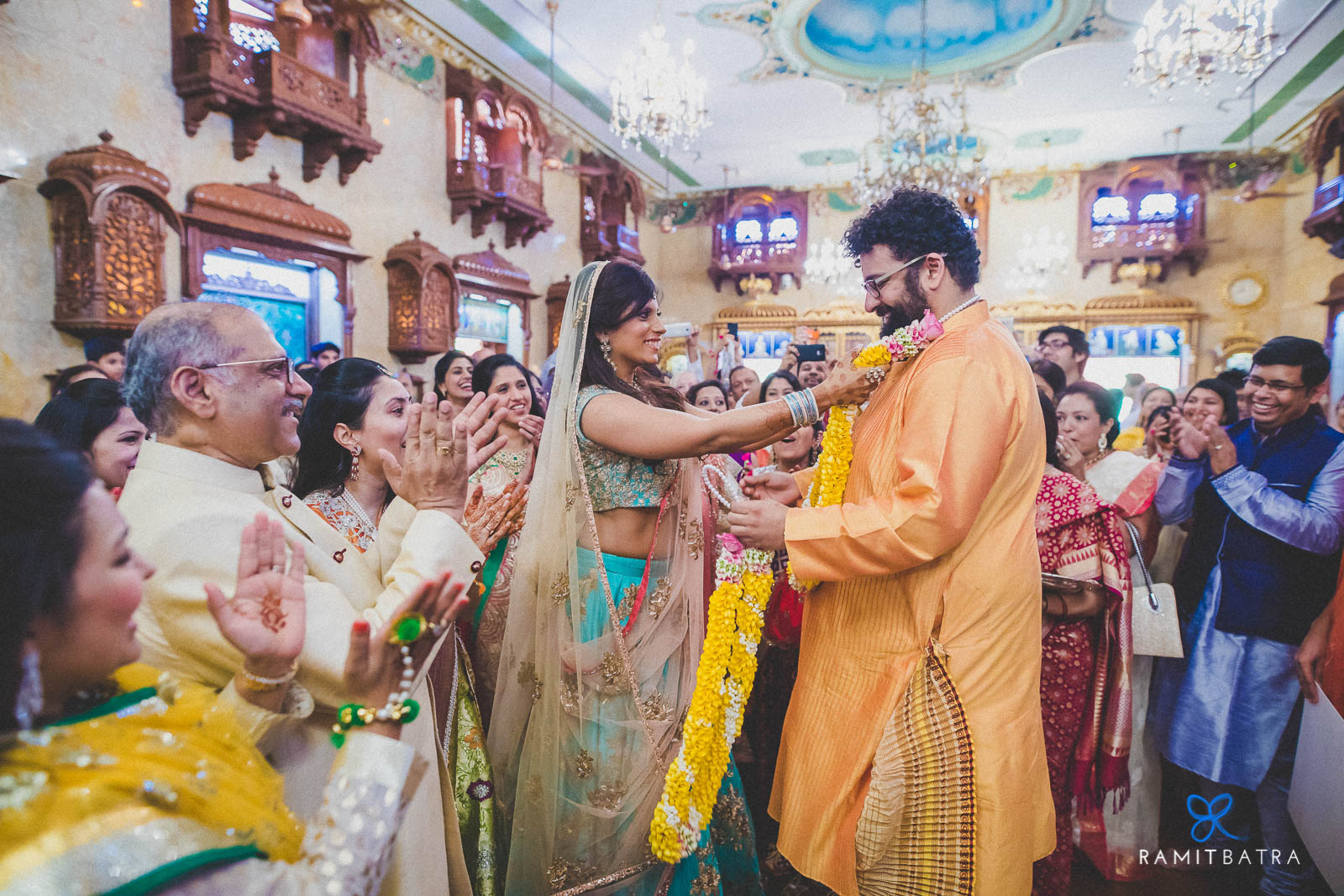
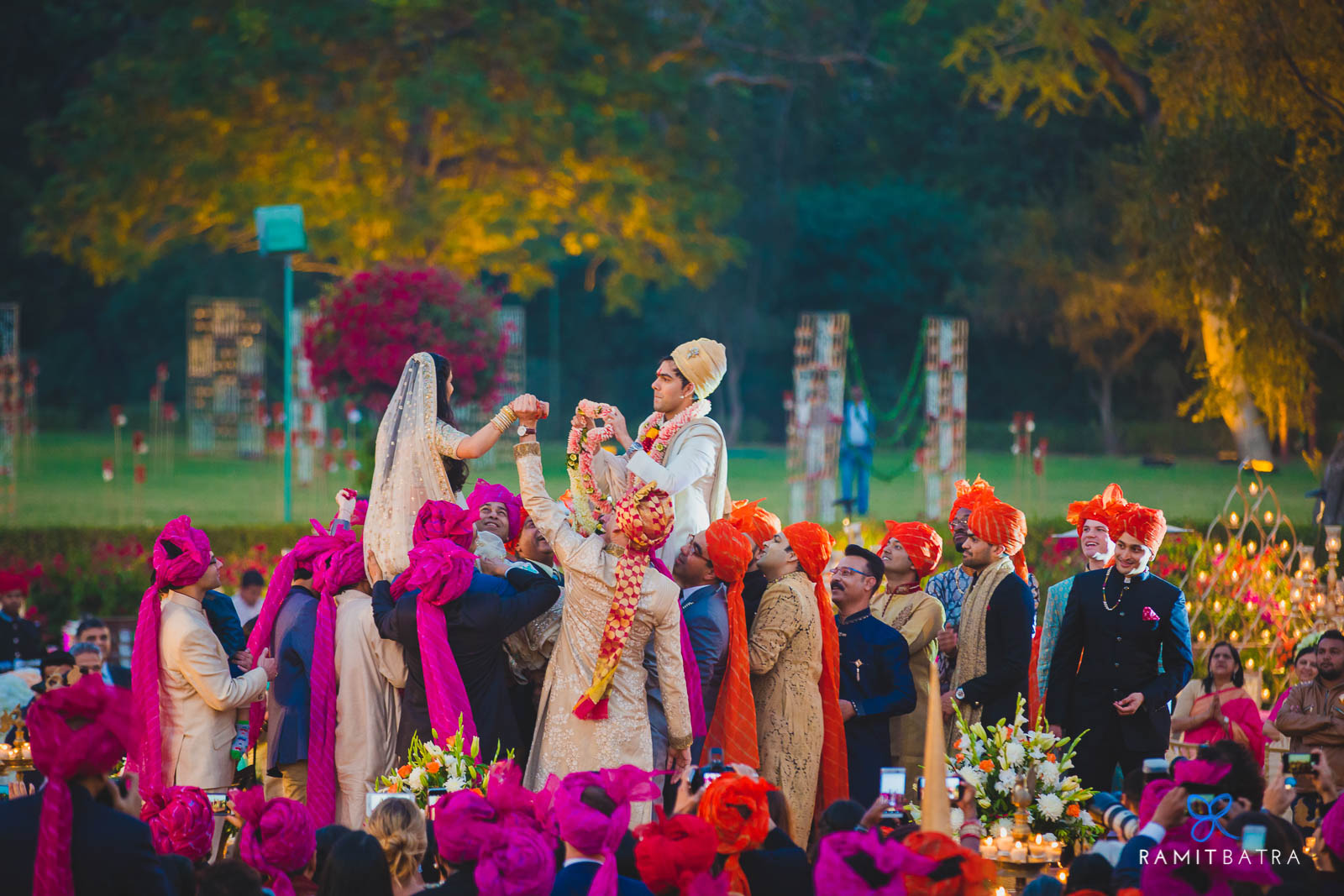
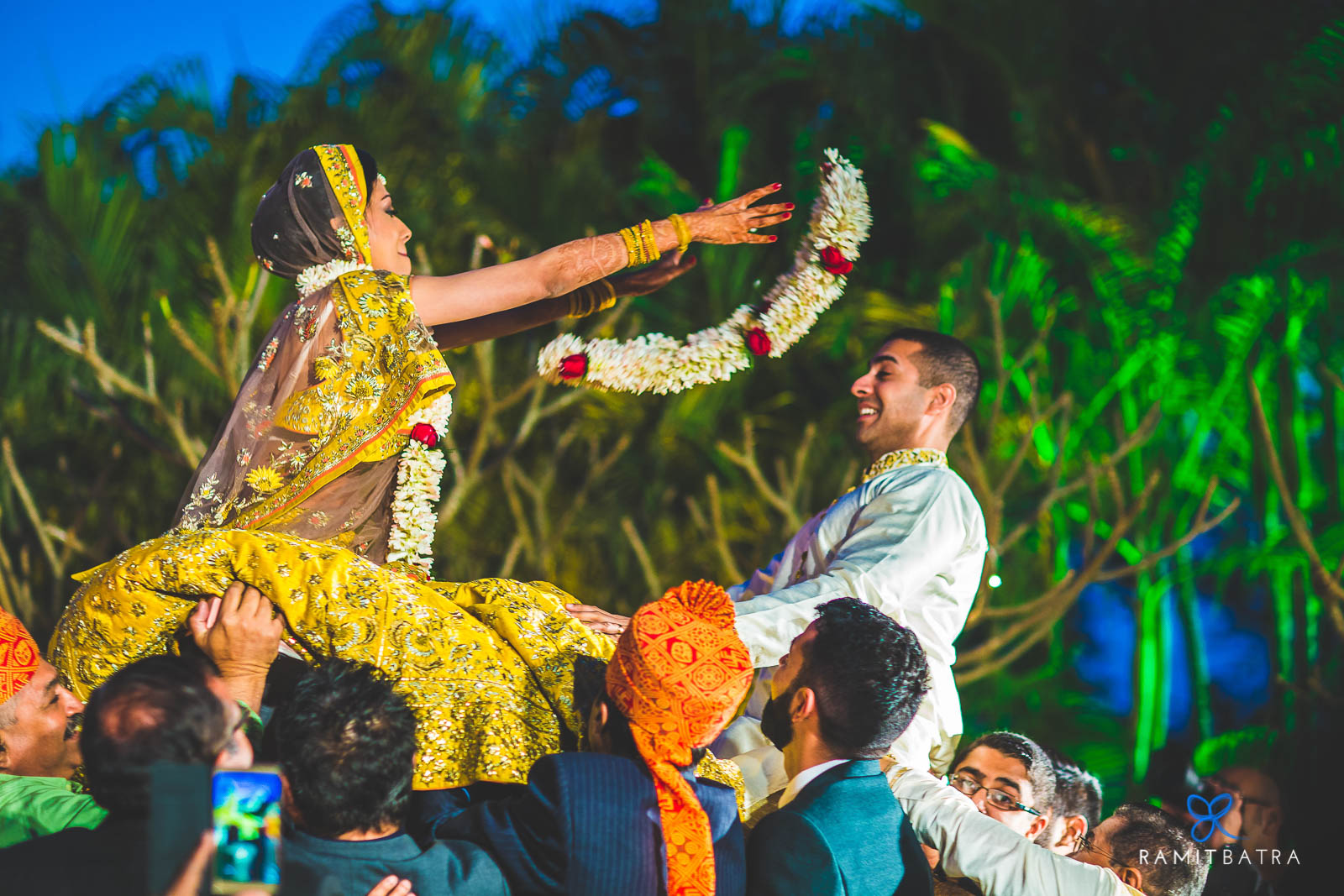
The Varmala is not just symbolic—it’s playful and competitive. Groomsmen often tease the bride, making it tricky to place the garland first, as it’s believed the one who bows first becomes the “dominated” partner. The antics can get hilarious, with grooms being lifted on shoulders and brides’ side rushing to bring them back to the same level. The bride keeps trying, sometimes tossing the garland almost like a basketball, creating lighthearted and memorable moments that perfectly blend tradition with fun.